Transform Your Wellness Journey with an IHP!
Expert coaching in nutrition, exercise, supplements, detoxing and holistic health.
Personalized nutrition and detoxing plans for optimal health.
Effective bio-individualized exercise programs for balance, coordination and pain management.
Guidance for better sleep and emotional healing.




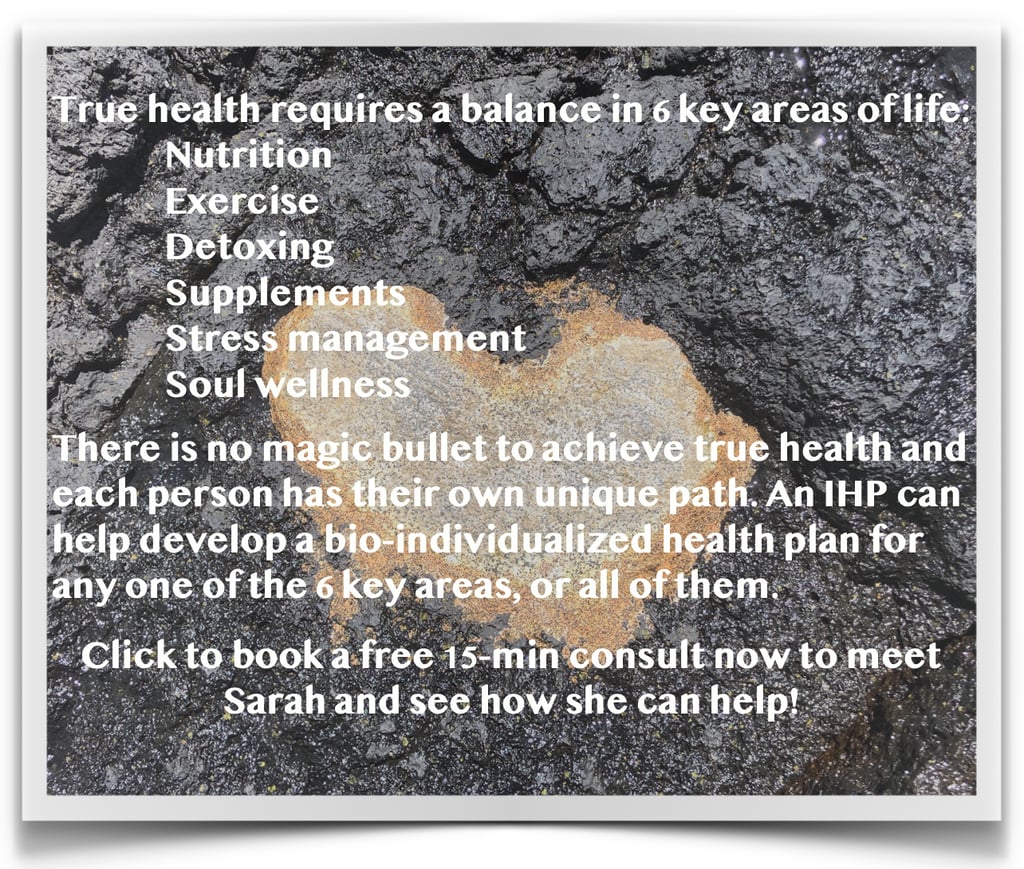
Individualized Health Plans!
Sarah brings over 40 years of experience in all areas of health and wellness! Her extensive experience teaching private and group fitness has led her to the evolution of a post rehab functional fitness program. See gsrp.ca for more info! Sarah has helped many health coaching clients with various conditions as her experience reading, evaluating and interpreting medical research, her knowledge of physiology in a state of wellness, and her ability to help identify areas of life that may be out of balance, all combine to help develop individualized health and wellness plans for her clients. Sarah can also help health clients determine the root causes of their symptoms via functional medicine tests thereby eliminating all guess work and providing a bench mark for measuring improvements over time.
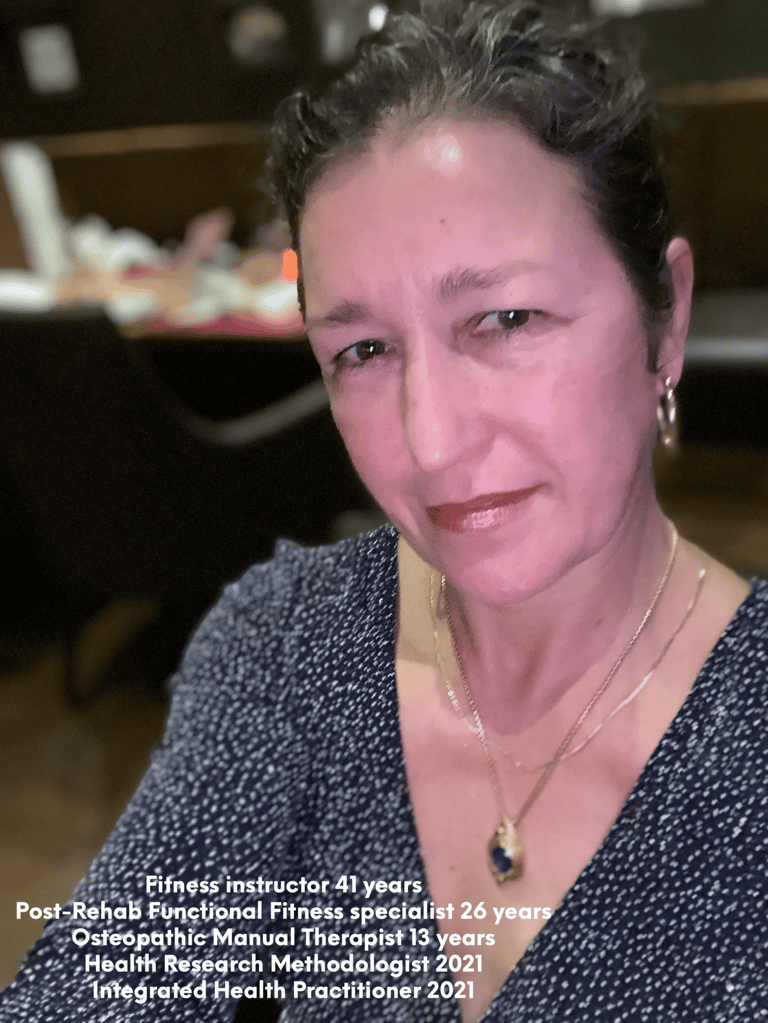
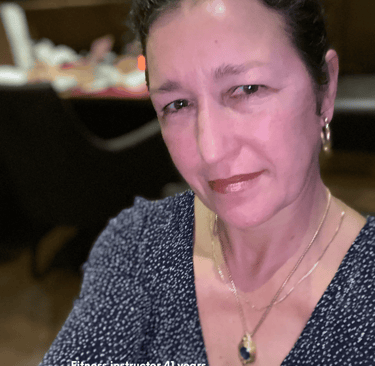
Sarah Gagnon, momsc, IHP
Founder and Director of BMS Wellness, Sarah enjoyed a prolific dance career in various genres including Latin, Modern, Latin Jazz, Afro-Cubana, Afro-Braziliana and Ballroom, before proceeding to attain her comprehensive Stott Pilates certification in 1998. Since then, Sarah has worked with elite athletes, post-rehabilitation patients, surgery and insurance cases. Sarah's post-rehab exercise clients have included people with various health conditions such as knee replacements, asthma, hip replacements, Fibromyalgia, Multiple Sclerosis, COPD, Lupus, pregnancy, frozen shoulder, Parkinson's, scoliosis, degenerative disc disease, arthritis, sciatica, spondylosis, breast cancer, EDS, as well as people recovering from various accidents and persistent muscular sprain patterns. To find out more about Sarah's post-rehab functional training program, visit GSRP.CA
Sarah's personal injury history as a professional dancer living with Fibromyalgia, SIBO, and MCAD, combined with her work experiences taught her that tissue contractures, adhesions, calcification, fibrosis and other factors can prevent a complete restoration to the individual's pre-injury state. She earned her Master of Osteopathic Manual Therapy diploma in 2012, delving deeper into natural methods for achieving health and wellness. Her combined approach of manual therapy and functional training post-rehab exercise has helped clients with a variety of health challenges including sciatica, bulging discs, cervical strain/whiplash, concussion, Post Concussion Syndrome, vertigo, gastritis, interstitial cystitis, migraines, ulcerative colitis, GBS and more! Sarah's passion for wellness has led her to complete her Health Research Certificate course with McMaster University in Ontario, as well as the Integrative Health Practitioner certificate course. Sarah is now accepting health coaching clients and building individualized wellness programs to address a variety of goals. Find out what a health coach can do for you!
Empowering Your Journey to Wellness
At BMS Wellness, Sarah guides you through a holistic approach to health, focusing on nutrition, exercise, detoxing, supplements and emotional healing to enhance your overall well-being and vitality.


150+
15
Trusted by Clients
Proven Results
Holistic Wellness Services
Empowering clients in nutrition, exercise, detox, stress, sleep, and emotional healing.


Nutrition and Diet Coaching
Personalized nutrition plans to enhance your overall health and wellness journey.
Exercise and Fitness Guidance
Tailored exercise programs designed to improve your physical health and vitality.
Detox and Cleanse Plans
Effective detox strategies to rejuvenate your body and enhance well-being.

BMS Wellness transformed my approach to health, guiding me through nutrition and stress management effectively.
Sarah J.


The holistic coaching at BMS Wellness helped me achieve balance in my life and improved my sleep.
Mark T.


★★★★★
★★★★★
Get In Touch Now!
Reach out for personalized wellness coaching and support today!

